Problems Galore
 Posted: March 10th, 2013, 4:36 am
1: Crosseyed Goblins, 2: straying colors, and 3: touch-ups Oh My! I'm having some difficulties in getting eyes done without having all of them crosseyed or looking like they should be institutionalized.
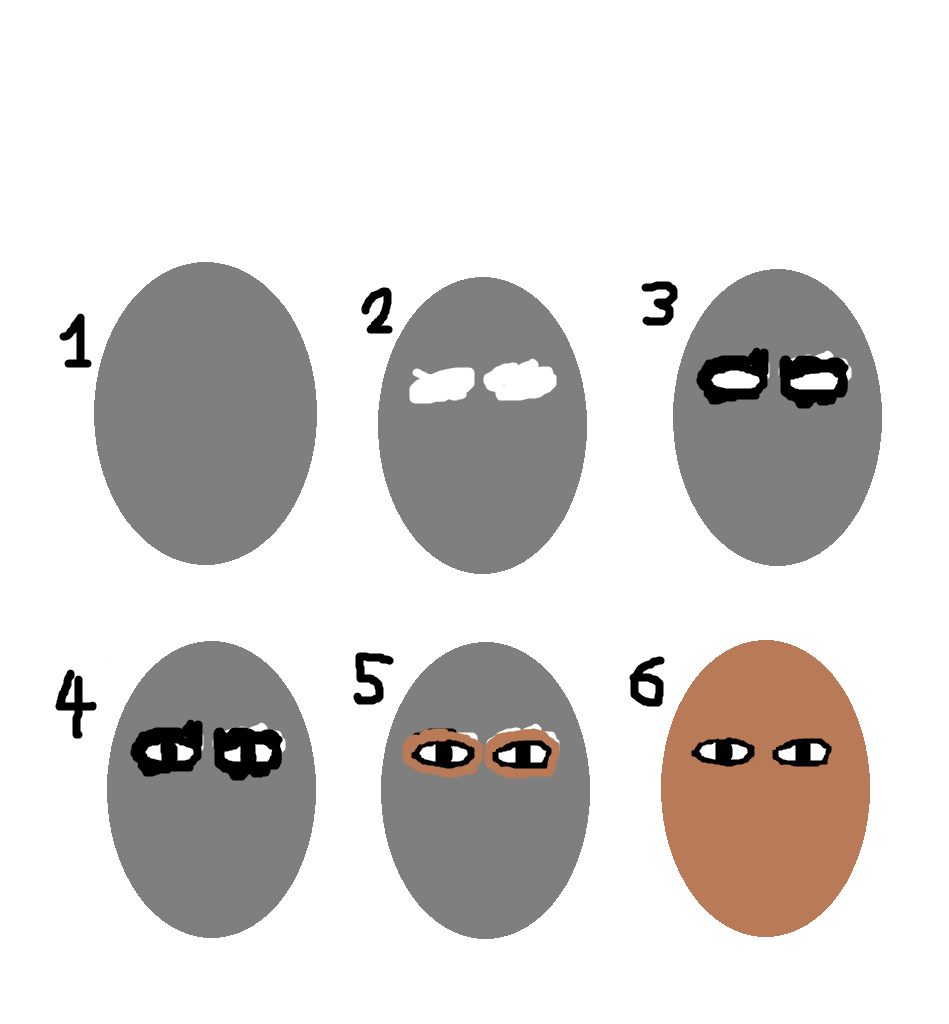
1: I read somewhere that its best to start from the center and work your way out for the face. I'd imagine pupils, eyes, face, etc until the figure is painted. Has anyone had any experience with this?
2: I started using colors straight out of the container and has severe detail loss. I learned from there to water down the paints (I'm using an acrylic medium instead of water) and this has greatly improved the results I've gotten from before. My new problem now is when I'm trying to paint with the more fluid paint it seems the moment it touches a 'wall' it grabs onto it and pulls the rest of the paint behind it with it. I've had several times where I am painting a darker color next to a light color (Black next to white) and it just touches the side and now I have a dark stain. Is there a way to prevent or minimize this occurring?
3: I've had to do lots of touch ups trying to fix this #2 above and when its a dark color and a lighter there's a 'stain' that's left behind that never really is covered if you look closely at it. I'm of the opinion that if I chose my colors more carefully and followed more of a color scheme that would help this somewhat. Is there any way that has been a helpful technique for everything from small/minor fixes to major errors like if you sneeze while painting or someone bumps your arm while trying for detail work?
I'm still new and am trying new things and making mistakes to see what works best for me. Any suggestions can give me better ideas and/or possibly solve them.
1: I read somewhere that its best to start from the center and work your way out for the face. I'd imagine pupils, eyes, face, etc until the figure is painted. Has anyone had any experience with this?
2: I started using colors straight out of the container and has severe detail loss. I learned from there to water down the paints (I'm using an acrylic medium instead of water) and this has greatly improved the results I've gotten from before. My new problem now is when I'm trying to paint with the more fluid paint it seems the moment it touches a 'wall' it grabs onto it and pulls the rest of the paint behind it with it. I've had several times where I am painting a darker color next to a light color (Black next to white) and it just touches the side and now I have a dark stain. Is there a way to prevent or minimize this occurring?
3: I've had to do lots of touch ups trying to fix this #2 above and when its a dark color and a lighter there's a 'stain' that's left behind that never really is covered if you look closely at it. I'm of the opinion that if I chose my colors more carefully and followed more of a color scheme that would help this somewhat. Is there any way that has been a helpful technique for everything from small/minor fixes to major errors like if you sneeze while painting or someone bumps your arm while trying for detail work?
I'm still new and am trying new things and making mistakes to see what works best for me. Any suggestions can give me better ideas and/or possibly solve them.
 Would perhaps be an interesting thread to collect the painting "accidents" of the forum members... Personally, I can feel if I am to sneeze and stop painting. But as I paint together with friends, and sometimes some of them decide not to paint this day but to play a game (mostly heroklix) on the other table, I find the noise verty disturbing when painting details such as eyes...

 . That way you can see what it is to give you an idea. The majority of my minis is has come out, in my opinion, good. I know it's not intended as a dip for it but it has helped some look much better. For others it didn't go so well. My first goblins went swimming for a good 30 seconds before he was rescued. After that escapade I started brushing it on and the control has helped. The container says to stir thoroughly when using and while I did this for my skeletons they started white as skeletons should but ended up basically black. I felt really stupid after they came out like that but the longer I look at em the more they've grown on me. I've now come to enjoy them. I call the messups
  'Hellfire skeletons' and will likely finish off my HQ skellies in the same way.
 and they came out a little lighter as I didn't mix the stain as thoroughly for them as the skeletons. That being said, in good (natural) light they look good but in normal room lighting they are a bit dull. I tried the same with my
  but didn't mix it after it settled a day or so later. Darkened slightly but my choice of yellow wasn't very helpful. They were among the first I painted and tried. Tried a
  and it came out worse than a redheaded stepchild so he'll surely get a new paintjob. I've been told Dettol for UK and for us Americans that Simple Green is a good removal solution. Anyone have any experience with using it?